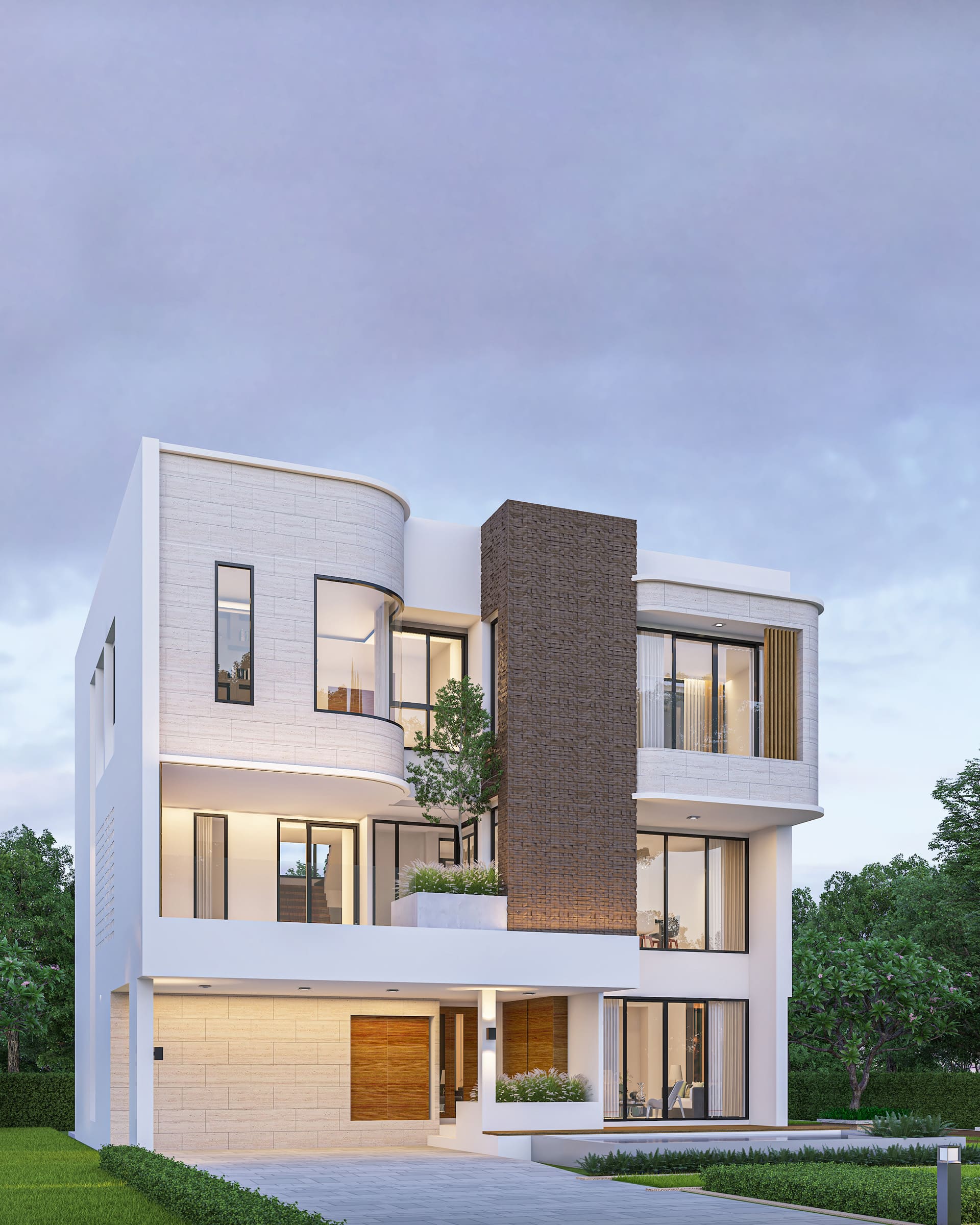
Everything you need to know before building a commercial property

Introduction

From planning to construction, explore everything you need to know to create a successful commercial property.

Building a commercial property is a big step that requires careful planning, thoughtful decision-making, and a clear vision. Whether you’re creating a space for offices, retail shops, or a mixed-use facility, it’s not just about bricks and mortar—it’s about making an investment that supports your business goals and adds long-term value.

This blog will tell you everything you need to know before starting this journey. From selecting the perfect location to understanding legal requirements and budget planning, we’ll cover the key steps to help you make confident decisions. Building a commercial property might seem a little hard, but with the right knowledge and preparation, you can turn your vision into reality.

Building Type and Location

The first step in creating a successful commercial property is determining its purpose and location. Consider the type of business the property will serve. Will it house retail shops, offices, restaurants, or mixed-use spaces? Each type has specific requirements, such as layout, amenities, and foot traffic considerations.

The location is equally critical. Analyze market trends to select an area with demand for your intended property type. Consider accessibility, zoning regulations, nearby infrastructure, and future development plans in the area. Choosing the right location ensures your property’s long-term value and appeal.

Planning and Permitting

Commercial projects involve detailed planning and compliance with local laws. Start by understanding zoning requirements, building codes, and other legal obligations in your chosen location. Work with local authorities to secure the necessary permits, which may include environmental clearances, occupancy certificates, and fire safety approvals.

Engaging professionals like surveyors, engineers, and legal consultants early in the process can streamline this phase. Proper documentation not only avoids legal complications but also ensures that the project adheres to local guidelines, preventing costly delays down the line.

Budgeting and Financing

Establishing a clear budget is essential for controlling costs. Begin by outlining all potential expenses, including land acquisition, construction, permits, labor, materials, and unforeseen contingencies. Don’t forget additional costs like marketing, property management, and utilities once the project is complete.

If financing is required, explore options such as commercial property loans, investors, or partnerships. Ensure you present a strong business plan to lenders, detailing projected returns on investment. Maintaining a balance between high-quality construction and financial feasibility will help ensure the success of your project.

Design and Architecture

A well-designed property is key to attracting tenants and ensuring functionality. Work with experienced architects and designers to create a structure that aligns with your goals while adhering to regulations. Focus on space efficiency, accessibility, and aesthetic appeal.

Incorporate sustainable practices where possible. Energy-efficient designs, eco-friendly materials, and smart technologies not only reduce operational costs but also increase your property’s desirability. Future-proofing your design ensures the building stays relevant even as market needs evolve.

Construction Process

The construction phase is where your plans come to life. Hiring reliable contractors and construction managers is critical to meeting deadlines and maintaining quality. Conduct thorough due diligence when selecting contractors, checking their credentials, past projects, and client reviews.

Effective communication between all parties involved—contractors, architects, and project managers—ensures smooth progress. Regular site visits and progress updates help identify and address issues promptly. Stay proactive in managing timelines, budgets, and resources to avoid unexpected delays.

Contingency Planning

Even with meticulous planning, unforeseen challenges are common in construction projects. A solid contingency plan can save you from setbacks. Allocate a portion of your budget—typically 10–20%—for unexpected expenses like material shortages, labor disputes, or regulatory changes.

Flexibility in timelines is also crucial. External factors such as weather or supplier delays can impact progress. By preparing for potential disruptions and having alternative strategies, you can keep the project on track and within budget.

Conclusion

Building a commercial property is a transformative journey that demands strategic planning, creativity, and resilience. From selecting the right building type and location to navigating legal requirements, managing finances, and handling the construction process, each step brings you closer to turning your vision into a reality.

However, no journey is without its challenges. That’s where partnering with experts makes all the difference. This information is brought to you by ROCKSHIELD, trusted promoters and developers known for their exceptional ability to deliver high-quality projectsWhether you want to build an office, a retail space, or a mixed-use property, ROCKSHIELD can turn your ideas into reality with their expertise and attention to detail.

Don’t let the complexities of commercial property development hold you back. With the right team by your side and a well-laid-out plan, your project can become a thriving space that supports your goals and stands the test of time. Trust ROCKSHIELD to make it happen—where vision meets excellence!

Recent Posts :

  • All Posts
  • News